


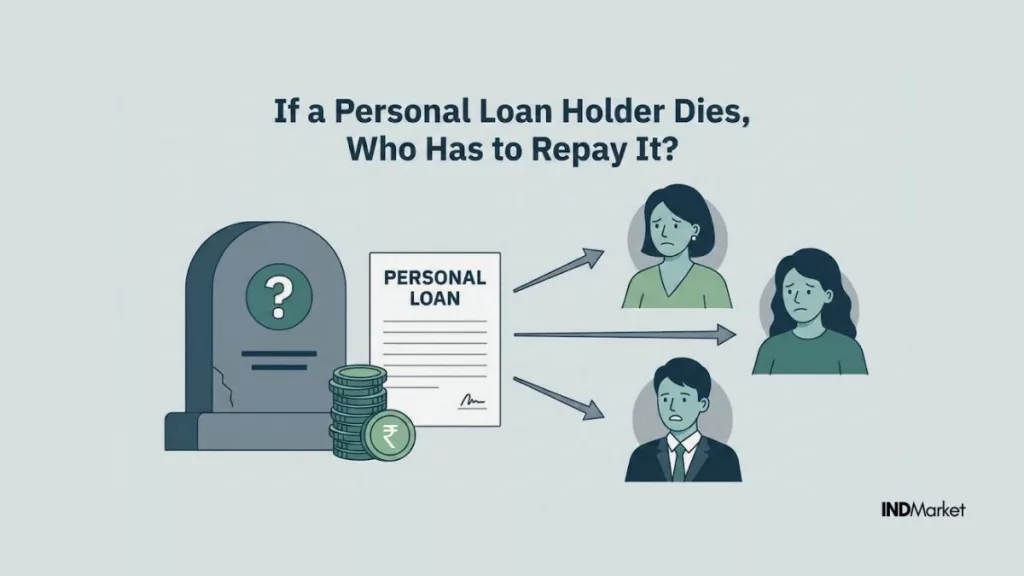
Personal loans have become a major relief for many people during unexpected financial emergencies. Compared to other types of loans, they are easier to obtain, processed quickly, and do not require any collateral. This convenience is the main reason why personal loans are widely used today. However, an important question often goes unasked:what happens to a personal loan after death if the borrower passes away before fully repaying it? Does the outstanding amount simply get closed, or does the responsibility fall on the family members left behind? This uncertainty is where many families face stress, confusion, and fear.
No Direct Seizure of Property
Personal loans fall under the category of unsecured loans. This means the borrower does not provide any asset such as a house, vehicle, gold, or land as collateral while taking the loan. Because there is no security attached to the loan, the bank does not have an automatic legal right to seize the family’s property if the borrower passes away before full repayment.
In simple terms, if the person who took the personal loan dies, the bank cannot directly attach or auction the family home or other personal assets just because the loan remains unpaid.
Is There Any Insurance Coverage?
After the borrower’s death, the first thing banks usually check is whether the personal loan is covered under a loan protection insurance policy. Many banks include this insurance at the time of loan disbursement by charging a small additional premium, often without giving it much emphasis.
If such insurance coverage exists, the outstanding loan amount is settled by the insurance company directly with the bank. Once this payment is made, the loan is officially closed, and the family members are not required to repay anything. This is one of the safest situations for a borrower’s family, but many people are not fully aware that this coverage even exists unless they carefully read the loan documents.
Co-Applicants and Guarantors
If a personal loan is taken jointly by more than one person, the responsibility does not end with the death of one applicant. In such cases, the surviving co-applicant becomes legally responsible for repaying the remaining loan amount. The bank treats the loan as an active obligation until it is fully settled.
Similarly, if the loan has a guarantor, the bank has the right to approach the guarantor for repayment after the borrower’s death. If the guarantor fails to pay the outstanding amount, it can negatively impact their credit score and financial credibility. This is a critical point many people overlook while agreeing to become a co-applicant or guarantor, often without fully understanding the long-term responsibility involved.
How Far Does the Liability of Legal Heirs Extend?
Legal heirs such as a spouse or children are not automatically responsible for repaying a personal loan, provided they are neither co-applicants nor guarantors to the loan. This is a crucial legal protection that many families are unaware of.
However, there is an important nuance. If the deceased person leaves behind assets such as bank deposits, property, gold, or other financial investments, the bank has the right to recover the outstanding loan amount only up to the value of those assets. The liability is limited to what the borrower has left behind, not beyond that.
For example, if a person passes away with an outstanding personal loan of ₹5 lakh and leaves assets worth ₹3 lakh, the bank can recover only ₹3 lakh from those assets. The remaining ₹2 lakh cannot be demanded from the legal heirs using their personal income or property.
A nominee is simply a person authorised to receive funds or assets after the borrower’s death. Being a nominee does not automatically make someone liable for loan repayment. Legal responsibility depends on inheritance and loan agreements, not nomination alone.
When Nothing Is Recoverable: Loan Write-Off
In cases where there is no loan insurance, no guarantor, and no assets left behind by the borrower, banks usually classify the outstanding amount as a write-off. This means the bank treats the loan as a loss and formally closes it in its books.
While banks may initially try to assess all possible recovery options, the absence of insurance, security, or recoverable assets leaves them with no legal route to demand payment from the family.
What Family Members Should Do
If a personal loan borrower passes away, family members should act calmly and promptly:
- Inform the bank immediately about the borrower’s death.
- Submit the death certificate along with a written application requesting closure or clarification of the loan status.
- Carefully review all loan-related documents signed at the time of borrowing, especially clauses related to insurance, co-applicants, or guarantees.
If bank representatives attempt to pressure family members into repayment without legal grounds, it is important not to panic. Families have the right to seek legal advice and challenge any unfair demands. Knowing these rights can prevent unnecessary financial and emotional stress during an already difficult period.
A personal loan is not an inherited debt. In most cases, families are protected unless they have legally agreed to repayment or inherit assets from the borrower. Understanding what happens to a personal loan after death in India empowers families to respond with clarity instead of fear.